Pet Trust in Miami, Florida
A pet trust is a legally enforceable arrangement under Florida law that allows you to set aside funds and designate a caretaker for your pets after your death or incapacity. Unlike informal arrangements where you ask a friend or family member to look after your animal, a pet trust is a binding legal instrument that a court can enforce. At the Law Offices of Albert Goodwin, PA, we help pet owners throughout South Florida create pet trusts that ensure their animals receive proper care for the remainder of their lives.
Many people consider their pets to be family members, yet without a legally binding plan, there is no guarantee that your pet will be cared for according to your wishes. If you die without a pet trust, your animal becomes part of your estate and may end up in a shelter, with a reluctant family member, or worse. A pet trust eliminates this uncertainty by creating a funded, enforceable obligation to care for your animal.
Florida's Pet Trust Statute: F.S. § 736.0408
Florida Statutes § 736.0408 specifically authorizes the creation of trusts for the care of animals. This statute, part of the Florida Trust Code (Chapter 736), provides the legal framework for establishing an enforceable trust that benefits one or more animals that are alive during the settlor's lifetime. The statute replaced earlier provisions that treated pet trusts as honorary trusts, which were unenforceable because there was no beneficiary with standing to compel performance.
Under F.S. § 736.0408, a trust for the care of an animal is valid and enforceable. The trust may be created during the settlor's lifetime as part of a revocable living trust or through a last will and testament that establishes a testamentary trust. The trust terminates upon the death of the last animal covered by the trust, unless the trust instrument specifies an earlier termination date.
How a Florida Pet Trust Works
A pet trust operates similarly to other types of trusts. You, as the settlor, create the trust document and transfer assets into the trust to fund it. You name a trustee who manages the trust funds and a caretaker who provides day-to-day care for the animal. The trustee distributes funds to the caretaker according to the terms of the trust to cover the animal's expenses, including food, veterinary care, grooming, housing, and any other needs you specify.
The key participants in a Florida pet trust include:
The settlor. The person who creates the trust and funds it. This is typically the pet owner.
The trustee. The individual or institution responsible for managing the trust funds and making distributions to the caretaker. The trustee ensures that the funds are used for the animal's care as directed by the trust instrument. It is generally advisable to select a trustee who is not the same person as the caretaker, so that there is an independent check on how the funds are being spent.
The caretaker. The person who takes physical custody of the animal and provides daily care. The trust should name one or more successor caretakers in case the primary caretaker is unable or unwilling to serve.
The enforcer. Under F.S. § 736.0408, a person designated in the trust terms, or appointed by the court, may enforce the trust on behalf of the animal. Because animals cannot advocate for themselves, the enforcer serves as a watchdog to ensure that the trustee and caretaker are fulfilling their duties. If no enforcer is designated in the trust, the court may appoint one.
Funding a Pet Trust in Florida
The amount of funding required for a pet trust depends on the type of animal, its expected lifespan, its current health, the standard of care you wish to provide, and any special needs the animal may have. A young, healthy horse with a potential lifespan of 30 years will require far more funding than an elderly cat. When determining the appropriate funding level, you should consider the cost of food, routine veterinary care, emergency veterinary care, medications, grooming, boarding, pet insurance, and any special accommodations.
Under F.S. § 736.0408(3), the court may reduce the amount of property transferred to the trust if it determines that the amount substantially exceeds the amount required for the intended use. This provision is designed to prevent settlors from using pet trusts to shield excessive assets from distribution to heirs or beneficiaries. To avoid a court-ordered reduction, it is important to document the basis for the funding amount and to ensure that the amount is reasonable in relation to the animal's actual needs and expected lifespan.
A pet trust can be funded with cash, investments, life insurance proceeds, or other assets. Many pet owners fund their pet trusts through a pour-over will that directs assets into the trust upon their death, or by designating the pet trust as a beneficiary of a life insurance policy or retirement account.
Selecting the Right Trustee
The choice of trustee is one of the most important decisions in creating a pet trust. The trustee should be someone who is financially responsible, willing to serve in this capacity, and ideally someone who cares about animals. Options for trustee include a trusted friend or family member, a professional fiduciary, or a bank or trust company.
If you choose an individual trustee, you should also name one or more successor trustees in case the primary trustee is unable or unwilling to serve. Because a pet trust may last for many years, particularly for animals with long lifespans, selecting a corporate trustee or institutional trustee can provide continuity that an individual trustee may not be able to offer.
The trustee has a fiduciary duty to manage the trust funds prudently and to ensure that distributions are made in accordance with the trust terms. If the trustee fails to fulfill these duties, the enforcer or any interested party may bring an action in court to compel the trustee to act, to remove the trustee, or to seek other appropriate relief.
Enforcement of a Pet Trust
One of the most significant features of a pet trust under F.S. § 736.0408 is that it is legally enforceable. Unlike an honorary trust or a simple bequest to a person with instructions to care for a pet, a pet trust creates a binding obligation that can be enforced in court. The trust enforcer, or any person appointed by the court, has the authority to bring legal action to ensure that the trust terms are being followed.
This enforcement mechanism is what distinguishes a pet trust from other informal arrangements. If the caretaker is neglecting the animal or the trustee is mismanaging funds, the enforcer can petition the court for intervention. The court may order the trustee to account for trust expenditures, remove a trustee or caretaker who is not fulfilling their obligations, appoint a successor, or take other corrective action.
Duration of a Florida Pet Trust
A pet trust in Florida lasts for the lifetime of the animal or animals covered by the trust. Under F.S. § 736.0408, the trust terminates when the last surviving animal that is covered by the trust dies. Unlike trusts for human beneficiaries that may be subject to the rule against perpetuities, Florida's pet trust statute expressly permits the trust to last for the lifetime of the animal, regardless of how long that may be. This is particularly important for animals with long lifespans, such as parrots, tortoises, and horses, which can live for decades.
Upon termination of the pet trust, any remaining trust property is distributed according to the terms of the trust instrument. If the trust does not specify how remaining assets should be distributed, the property passes to the settlor's successors in interest. Many settlors choose to direct remaining funds to an animal welfare organization, to the caretaker as additional compensation, or to other beneficiaries of their estate plan.
Practical Considerations for Pet Trust Planning
When creating a pet trust, you should include detailed instructions about the standard of care you expect for your animal. This may include the type and brand of food, the frequency of veterinary visits, exercise requirements, grooming schedules, and any behavioral or medical needs the animal has. The more specific your instructions, the more likely it is that your pet will receive the care you intend.
You should also include a clear description or identification of the animal or animals covered by the trust. For dogs and cats, this may include microchip numbers, registration numbers, photographs, and physical descriptions. Proper identification prevents disputes about which animals are covered and ensures that a substitute animal is not fraudulently presented to continue receiving trust distributions.
It is also wise to provide for the animal's care during any period of your incapacity, not just after your death. A pet trust created as part of a revocable living trust can become operative immediately upon your incapacity, ensuring that your pet is cared for even if you are unable to do so yourself but are still alive.
Pet Trust vs. Other Options
Some pet owners attempt to provide for their animals through a simple bequest in a will, leaving a sum of money to a friend or family member along with a request to care for the pet. While well-intentioned, this approach has significant limitations. A bequest to a person is an outright gift, and there is no legal mechanism to ensure that the recipient actually uses the funds for the animal's care. The recipient could spend the money on themselves and neglect or abandon the animal, with no legal consequences.
A pet trust, by contrast, creates a legally enforceable obligation, ensures that funds are used only for the animal's care, provides for oversight through a trustee and enforcer, and can last for the animal's entire lifetime. For these reasons, a pet trust is the most reliable method of providing for your pet under Florida law.
Contact a Florida Pet Trust Attorney
If you want to ensure that your pet is cared for after your death or incapacity, a pet trust is the most effective legal tool available under Florida law. At the Law Offices of Albert Goodwin, PA, we help pet owners create comprehensive pet trusts that are properly funded, clearly drafted, and legally enforceable. Our office is located at 121 Alhambra Plz #1000, Coral Gables, FL 33134. Call us at 786-522-1411 or email us at [email protected] to schedule a consultation about your pet trust and overall estate plan.
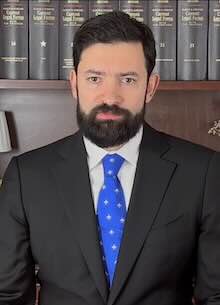
About the Author
Albert Goodwin Esq. is a licensed Florida attorney with over 18 years of courtroom experience. His extensive knowledge and experience make him well-qualified to write authoritative articles on a wide range of legal topics. He can be reached at 786-522-1411 or [email protected].